Blog
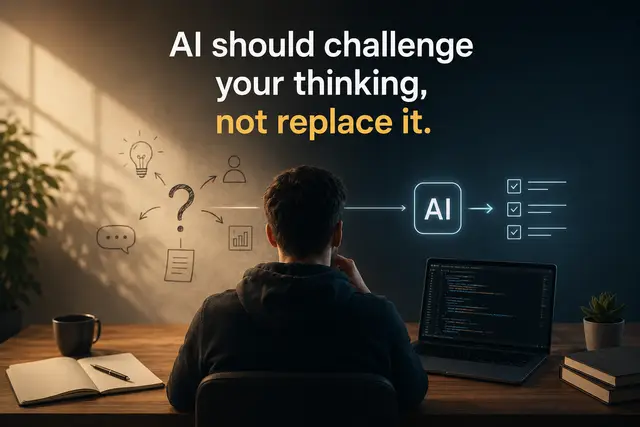
AI should challenge your thinking, not replace it
The biggest trap in AI-assisted development is delegating thinking instead of execution. A Thinking First workflow - from Interview Me to Spec-Driven Development - keeps engineering discipline where it belongs.
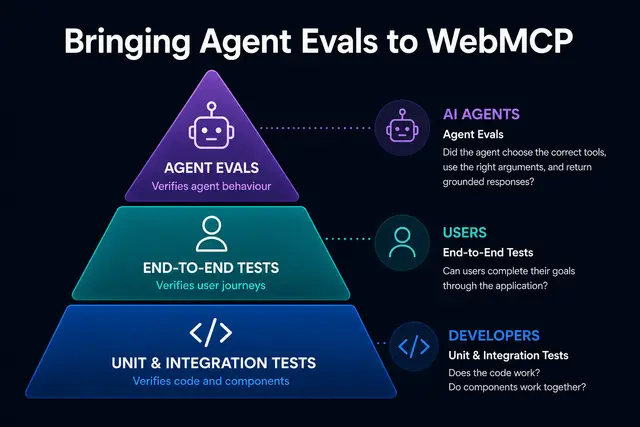
Bringing Agent Evals to WebMCP
Agent Evals already exist in AI systems. WebMCP Evals adapt that practice to the tools a webpage exposes - verifying tool selection and behaviour that unit and E2E tests miss.
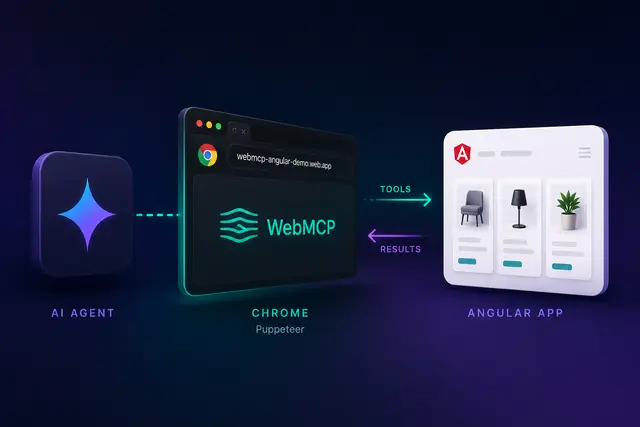
Calling WebMCP Tools from Outside the Browser
An experiment: can an AI agent that lives outside the browser discover and invoke a website's WebMCP tools? Driving an Angular 22 app with a Google ADK + Puppeteer external agent.
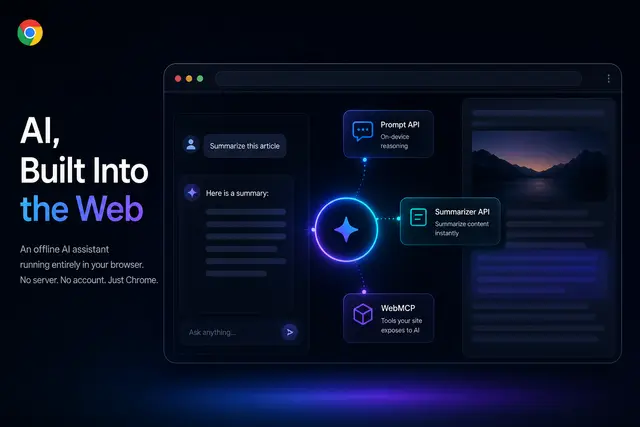
Building an Offline AI Assistant with Chrome Prompt API, Summarizer API, and WebMCP
How a website can run its own AI assistant entirely in the browser using Chrome's built-in Prompt API, Summarizer API, and WebMCP - with no server, no account, and no cloud model.
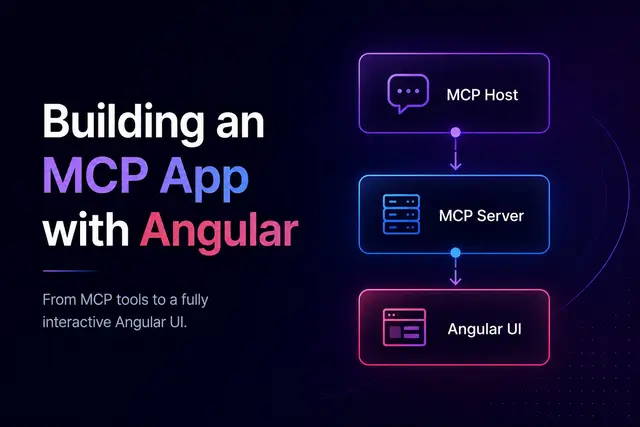
Building an MCP App Server with Angular
A hands-on, technical walkthrough of building an MCP App server in Angular: inlining the build into one resource, wiring _meta.ui.resourceUri, the postMessage bridge with an HTTP fallback, and keeping tool results in sync with signals.
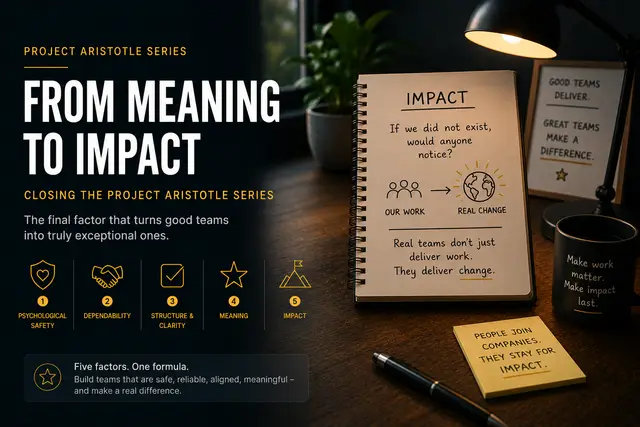
From Meaning to Impact
The final factor from Project Aristotle is impact - the belief that the team's work makes a real difference. Here's what it means, why it sustains performance, and how this five-part series ties together.
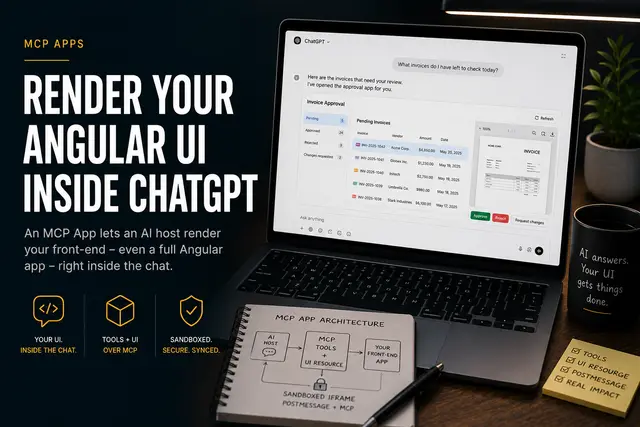
MCP Apps: Rendering Your Angular UI Inside ChatGPT
An MCP App lets an AI host like ChatGPT render your own front-end - even a full Angular app - right inside the chat. Here's the concept, the architecture, and where to deploy it.
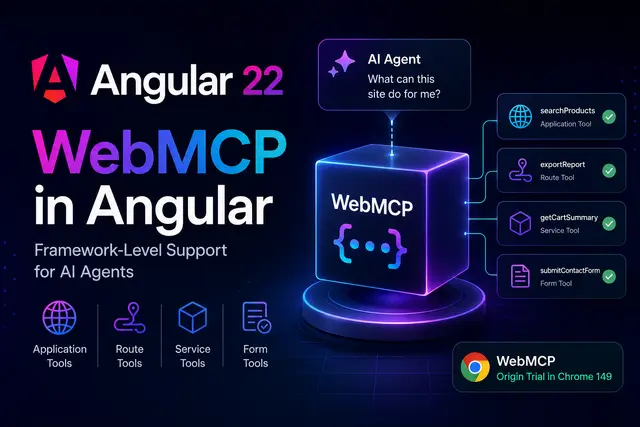
WebMCP in Angular: Framework-Level Support for AI Agents
Angular 22 introduces experimental WebMCP support with provideExperimentalWebMcpTools and Signal Forms integration. Learn how to expose your Angular app's capabilities to AI agents using the framework's built-in APIs.
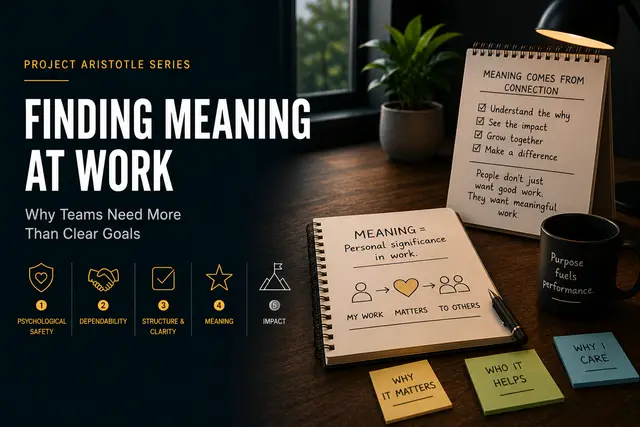
Finding Meaning at Work - Why Teams Need More Than Clear Goals
Clear goals and reliable delivery are not enough. Teams also need meaning. Explore the fourth factor from Project Aristotle and why personal significance drives sustained high performance.
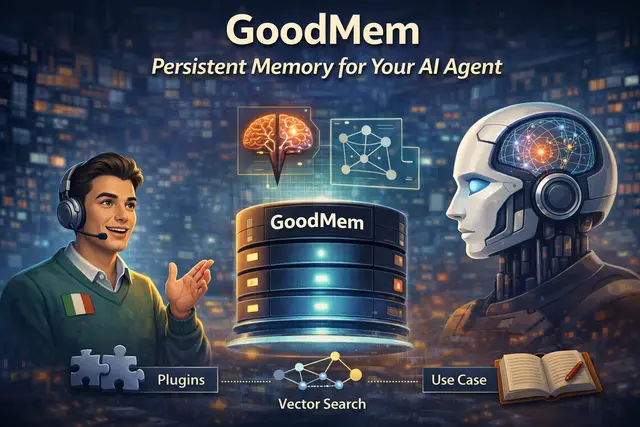
GoodMem: Adding Persistent Memory to Your AI Agent
AI agents forget everything between sessions. I used GoodMem - a self-hosted memory server - to give my Google ADK language tutor long-term recall. Here's how it works with plugins, vector search, and a real use case.

Structure and Clarity: Why Even Strong Teams Fail Without Clear Direction
Psychological safety and dependability create the foundation. But without structure and clarity, teams waste energy on confusion instead of delivery. Explore the third factor from Project Aristotle.
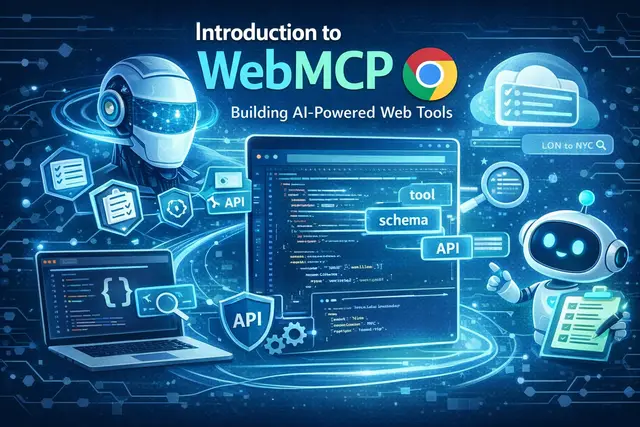
WebMCP: Teaching AI Agents to Interact with Your Web App
WebMCP is a proposed web standard that lets AI agents interact with websites through structured tools instead of screen-scraping. Here's what it means for web developers and how to implement it in Angular.
When AI Doesn't Know Your Library: Building an MCP Server for ngDiagram
AI coding assistants often struggle with brand-new libraries because they weren’t part of their training data. In this article, I show how a simple MCP server can bridge that gap by giving AI real-time access to documentation, using ngDiagram as a practical example.
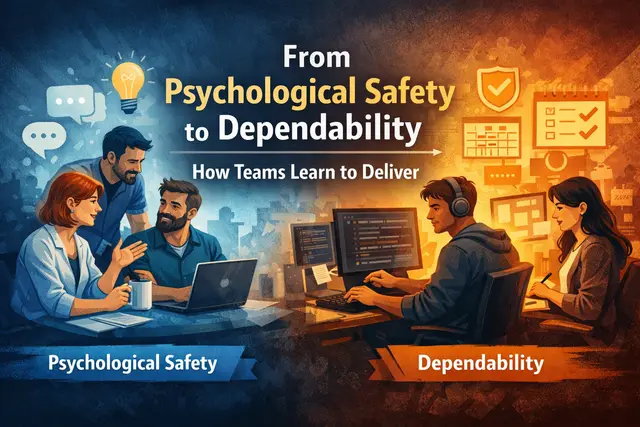
From Psychological Safety to Dependability: How Teams Learn to Deliver
Psychological safety allows teams to speak honestly. Dependability ensures that honesty turns into results. Explore the second factor from Project Aristotle that separates teams that talk from teams that deliver.
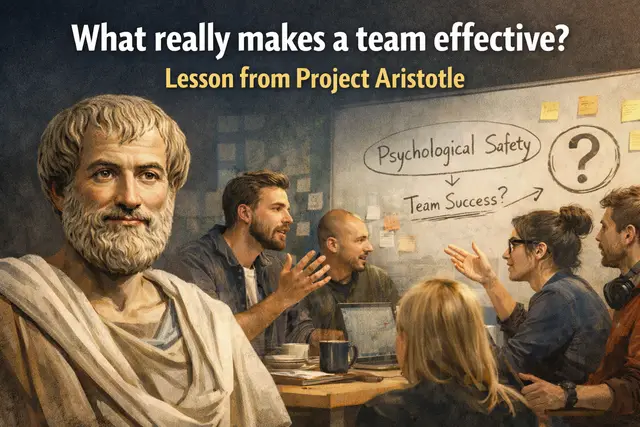
What Really Makes a Team Effective? A Lesson from Project Aristotle
Google's Project Aristotle revealed that psychological safety, not talent, is the key to team effectiveness. Here's what this means for engineering teams and how to build it.

Why Attending Meetups and Conferences Still Matters in 2026
In an era of AI and remote work, discover why face-to-face tech events remain essential for career growth, networking, and staying ahead of rapid technological changes.

Stop starting, start finishing
My personal journey from starting a website with Angular 17 to finally shipping it with Angular 20 - and the lessons learned about finishing what you start.
Hidden parts of Angular: View Providers
Discover how Angular's viewProviders let you encapsulate services within a component's view, preventing unwanted access from projected content and improving architecture clarity.
Learn Angular for free: resources you shouldn't miss (2/2)
Learn Angular with top free resources, including RxJS tutorials, Angular challenges, and the latest features in Angular 16, with insights from expert creators.
Learn Angular for free: resources you shouldn't miss (1/2)
Discover the best free online resources to learn Angular, from official documentation to interactive tutorials and community-driven content.
How to enhance 3rd party components using directives?
A practical pattern for extending third-party Angular components with directives, without forking libraries or copy-pasting templates.
Directives in practice: user role-based element control
Practical Angular patterns for controlling visibility and interactivity by user role, using directives and clean, testable authorization rules.